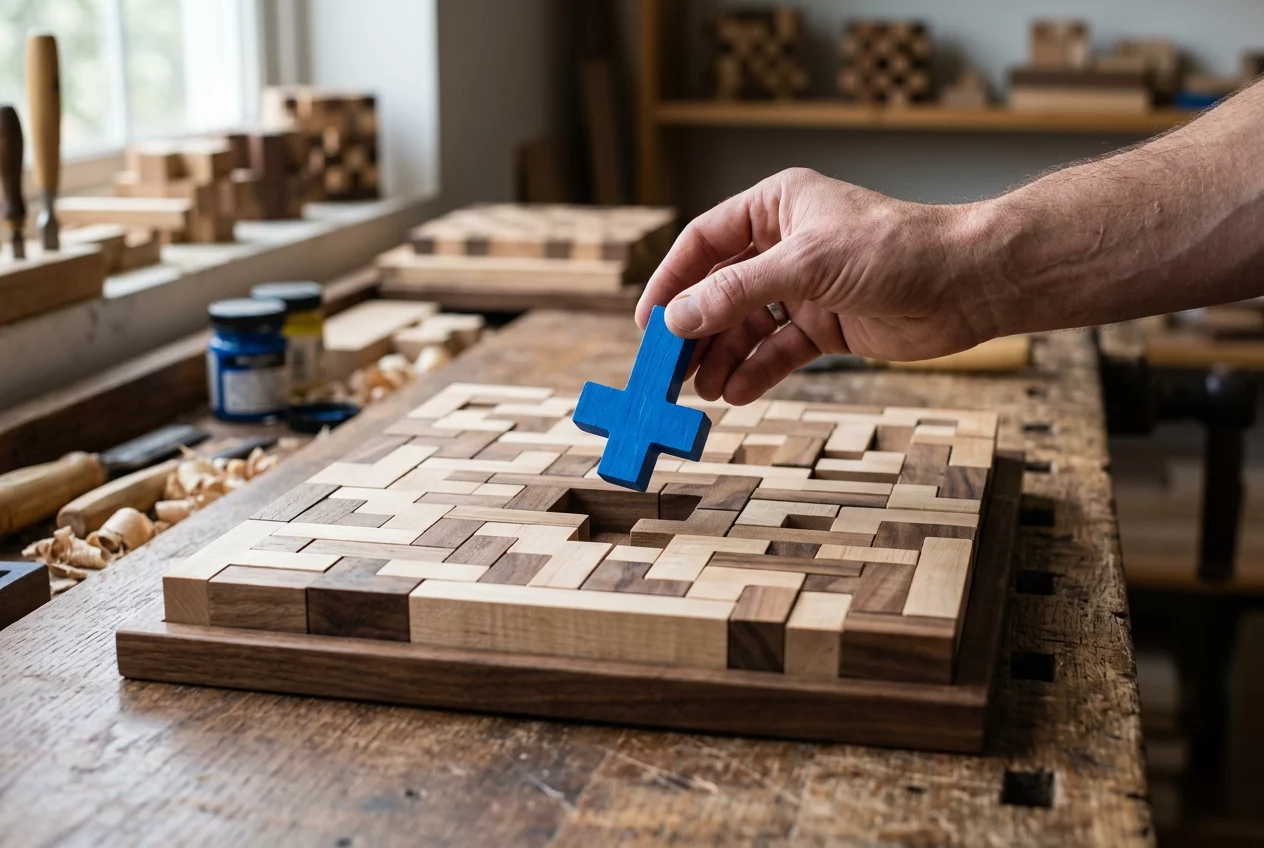
Routines are the brain's way of saving energy. By automating frequent actions, the mind can focus its resources on more complex tasks. However, this efficiency becomes a double-edged sword when those automated behaviors no longer serve our health or happiness. Breaking a routine is not merely an act of willpower; it is a complex psychological process that requires rewiring the physical pathways of the brain.
The Anatomy of a Habit Loop
Every routine is built upon a three-part loop: the cue, the response, and the reward. The cue triggers the brain to enter automatic mode. The response is the behavior itself, and the reward is the chemical hit (often dopamine) that tells the brain the action was worth repeating. To break a cycle, he must first identify these components. For instance, if stress is the cue, and the response is a nervous oral fixation, the reward is temporary relief. Changing the response while keeping the cue and reward intact is often more effective than trying to eliminate the cue entirely.
Why the Brain Resists Change
Neural pathways are like trails in a forest. The more they are used, the wider and smoother they become. Attempting to break a routine feels like hacking through thick brush to start a new path. It is physically tiring and mentally demanding. This resistance often manifests as discomfort or anxiety, which the brain interprets as a signal to return to the safe, established trail. Understanding that this discomfort is a sign of neural restructuring can help a person persevere through the initial stages of change.
Practical Strategies for Disruption
One of the most powerful tools in behavioral psychology is environmental design. It involves removing the cues that trigger old responses. If an object on a table reminds him of a bad habit, he should move it or replace it with something else. Additionally, implementing "If-Then" intentions can provide a pre-planned roadmap for difficult moments. For example, "If I feel the urge to engage in my old routine, then I will take three deep breaths or use a sensory replacement tool."
The Power of Substitution
Total deprivation rarely works. The brain demands a replacement for the reward it has grown accustomed to. Healthy alternatives, such as aromatherapy sticks or mints, can provide the tactile and sensory stimulation the body craves without the negative side effects of old habits. These tools act as a bridge, allowing the mind to form new, healthier associations while the old pathways slowly fade from disuse.
"Change isn't about erasing the past; it's about building a more compelling future through consistent, small disruptions of the present."
Consistency is the final key. It takes time for the new trail in the forest to become the path of least resistance. By focusing on small wins and understanding the biological basis of their struggles, individuals can regain control over their routines and, ultimately, their lives.
Discussion
No comments yet. Be the first to leave a comment.
Join the Conversation